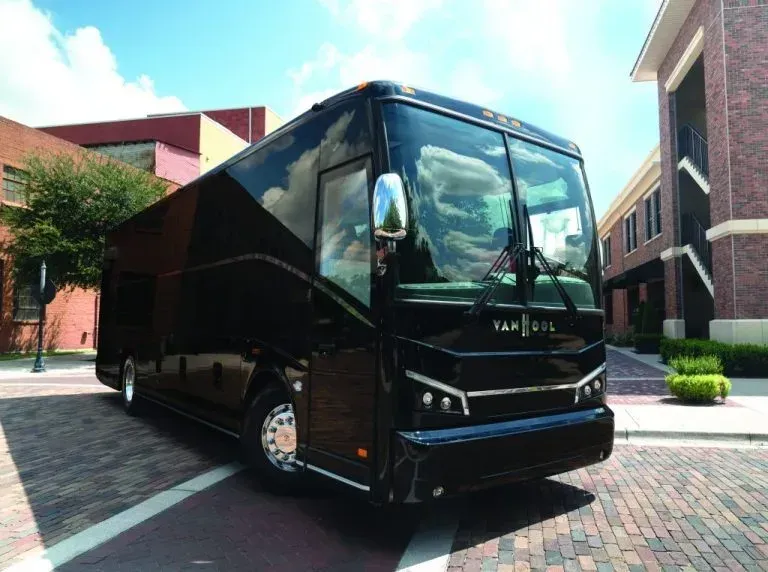
Planning transportation for a large group can easily become a demanding process when various schedules, pickup arrangements, and travel expectations need to be coordinated. Whether the occasion involves corporate gatherings, family celebrations, group outings, or special events, ensuring everyone arrives together and on time requires thoughtful planning. A structured transportation strategy helps reduce uncertainty, avoid delays, and enhance the overall experience for all travelers. By mastering the important elements of coordinating group transportation, planners can deliver a smooth and organized travel experience from start to finish.
When large parties travel together, transportation plays a role that goes beyond simply transporting passengers from place to place. It serves as an essential element of the overall occasion. Well-managed coordination assists with maintaining schedules, encouraging communication, and creating a more pleasant travel experience. At A1 Quality Express Limousine, we believe organized transportation services play a vital role in helping groups travel with ease and peace of mind.
Initiate Transportation Planning Well Before the Event
Effective group transportation starts with advance preparation. Postponing transportation decisions until the last moment can limit flexibility and make accommodations more challenging. Coordinators should initially determine the number of travelers, key travel dates, departure estimates, and destination expectations. Securing these details ahead of time helps build an effective transportation strategy that supports the overall schedule.
Early preparation helps organizers identify possible challenges before they create disruptions. Various factors, including traffic patterns, pickup arrangements, accessibility requirements, and event schedules, may influence transportation decisions. Considering these details beforehand enables planners to design transportation strategies that improve efficiency. Comprehensive planning frequently leads to more seamless travel experiences and fewer surprises.
Evaluate Group Size and Travel Requirements
One of the primary aspects of group transportation planning is determining passenger numbers and specific requirements. Accurate passenger counts help ensure the appropriate vehicles are selected and prevent overcrowding or underutilized transportation resources. Organizers should determine attendance figures in advance and continue refining them as plans develop.
Beyond passenger numbers, it is important to consider individual needs within the group. Some group members may have additional baggage needs, while others may benefit from specific accommodations or assistance. Recognizing these requirements helps transportation plans be tailored appropriately. Obtaining comprehensive details helps planners deliver greater comfort and efficiency throughout the trip.
Formulate a Clear Transportation Schedule
A clear transportation schedule serves as a roadmap for the entire group. Organizers should outline departure times, pickup locations, travel durations, arrival targets, and any planned stops along the route. A detailed itinerary reduces confusion and ensures everyone knows where and when they need to be. Strong consistency and clear planning are vital when organizing transportation for bigger groups.
Strong communication is fundamental in keeping schedules functional and accurate. All passengers should be provided with transportation information prior to the event. Providing schedules through digital platforms or printed copies helps maintain awareness among participants. Clear expectations help transportation operations function more effectively and smoothly.
Implement Central Pickup and Drop-Off Areas
Handling several pickup points can add unnecessary complications to large-group travel. Central pickup and drop-off points should be used whenever they improve convenience for participants. Unified gathering points improve boarding efficiency and reduce unnecessary delays. It also enhances communication and increases overall operational efficiency.
Centralized locations provide additional benefits by making it easier to account for all travelers before departure. Group leaders can verify attendance, distribute updates, and answer questions before the journey begins. An organized system helps ensure readiness and schedule adherence. Well-defined meeting areas contribute to efficient and organized transportation.
Ensure Clear Communication at Every Stage
Reliable communication is essential for successful transportation management. Travelers should be consistently informed about timing, pickup guidance, expectations, and updates. Reliable information ensures passengers can prepare without uncertainty. Clear communication contributes to smoother operations and happier passengers.
Planners should implement dependable channels for sharing updates throughout the event. Messaging platforms, email alerts, and assigned contacts help distribute information efficiently. Communication consistently serves as the unifying factor in organized transportation. Regular updates help maintain trust and reduce interruptions during travel.
Prepare for Unexpected Situations
Even the most organized transportation plans can experience surprises. Weather conditions, traffic congestion, schedule adjustments, and participant delays may require quick decision-making. Building flexibility into transportation plans helps organizers respond effectively when unforeseen situations arise. Preparation increases resilience and supports smooth operations even when conditions change.
Preparedness plans should incorporate communication backups and alternative arrangements. Having clear processes reduces pressure and improves response organization. Anticipatory planning keeps operations effective even when changes occur.
Emphasize Comfort and Convenience for Passengers
Passenger comfort plays a significant role in the overall transportation experience. Long travel durations for groups increase the importance of comfort and convenience. Comfort-focused arrangements help create a pleasant journey atmosphere. Passenger comfort increases enjoyment and readiness upon arrival.
Convenience also contributes to successful transportation coordination. Simplified processes help avoid confusion and delays for passengers. When transport is well organized, passengers can enjoy the event instead of stressing about logistics. Convenient travel arrangements support a more successful overall experience.
Engage Professional Transportation Specialists
Managing large-group transportation requires coordination across many factors, making expert support beneficial. Expert providers are capable of handling schedules and coordinating group movement effectively. Their expertise helps planners manage complex logistics while maintaining organized and dependable operations.
Skilled transport professionals bring practical limo bus knowledge that enhances coordination. Familiarity with large-group travel allows professionals to foresee challenges and offer guidance. With professional help, organizers can focus on the event while logistics are managed with precision.
Make Transportation an Extension of the Event
Transportation should be considered part of the event rather than just a way to travel. Proper coordination gives travelers time to unwind and connect before reaching their destination. Effective transportation planning improves the overall experience and fosters a professional atmosphere.
At A1 Quality Express Limousine, we are committed to thoughtful planning, clear communication, and passenger-focused service. Coordinating transportation for large groups does not have to be overwhelming when the right strategies are in place. By emphasizing structure, preparation, and comfort, groups can experience smooth travel that enhances any event. We are committed to creating reliable travel experiences that ensure passenger peace of mind.